
CALL NOW
☰
Hurt on I-680, Highway 4, Highway 242, or a Concord surface street? Scranton Law Firm helps injured riders protect the evidence, deal with insurance, and push back when blame gets aimed at the motorcyclist.
While you wait:
Why this matters now: motorcycle crash claims move fast. The bike, gear, scene evidence, traffic footage, and witness details can disappear before the insurance company ever makes a fair offer.
If you’ve been hit on your bike anywhere in Concord, splitting lanes on I-680, the merge from Highway 4 onto I-680, the Highway 242 corridor through the city, a left-turn collision on Clayton Road, or a careless driver who never saw you on Monument Boulevard, you already know motorcycle cases are different. Insurance adjusters approach a rider’s claim with assumptions a car driver never has to face. Juries can carry that bias too, if you let your case get there without the right preparation.
You need lawyers who don’t share those assumptions. Lawyers who treat your crash like what it actually was: a driver in a 4,000-pound vehicle who failed to look, failed to yield, or failed to share the road with someone who has every legal right to be there.
Scranton Law Firm has been representing injured Californians for more than 50 years. We’ve recovered over $1 billion for our clients. We know Concord, its freeway stack, its trauma routing through Walnut Creek, its police and CHP reporting channels, and the way Contra Costa County Superior Court handles serious-injury cases. And we know how to fight back when the other side’s first move is to blame the rider.
We answer the phone 24/7. The consultation is free. If the insurance company is already calling you about your bike, good, they can call us instead.
Two trial lawyers based in our Concord office. Direct access. Every call returned.
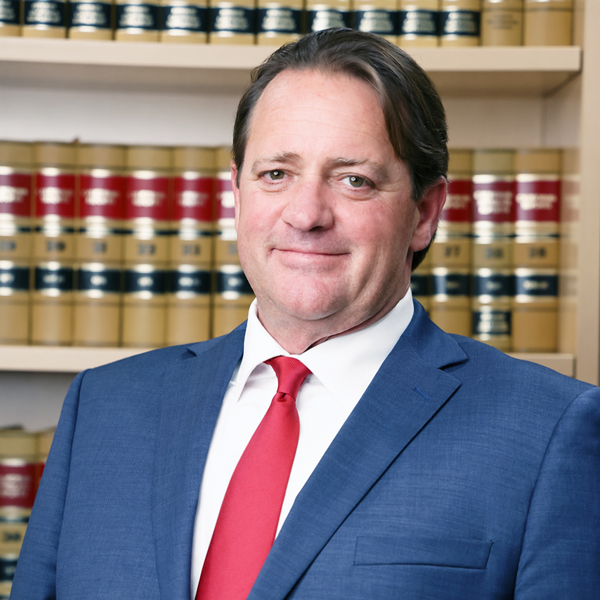
Leading the firm since 2009. A rider who has been through surgeries and rehab himself, and knows what an injury takes from you.
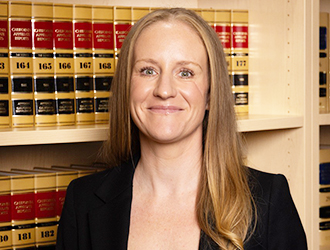
With the firm since 2019. An award-winning trial advocate who prepares every case as if it is going in front of a jury.
Scranton Law Firm is building Team SLF Moto as a rider-focused resource for Northern California motorcyclists. The goal is simple: give riders practical legal guidance, safer post-crash steps, and a clearer place to turn when an insurance company tries to blame the person on the bike.
Chris Scranton and the Scranton Law Firm team represent injured riders and families after serious motorcycle crashes in Concord, Contra Costa County, and across Northern California. As Team SLF Moto grows, this page will connect riders to Chris Q&A videos, local safety resources, and motorcycle-specific legal answers.
Short answers to the insurance, lane-splitting, fault, and evidence questions riders ask after a crash.
Concord and Contra Costa crash locations, police/CHP report paths, hospitals, and court context.
A dedicated Team SLF Moto page is coming soon and will link here once live.
A car crash and a motorcycle crash may happen the same way, same intersection, same other driver, same negligence. But after the impact, the cases look almost nothing alike.
Injuries are more severe. Motorcycles don’t have airbags, crumple zones, or steel frames around the rider. A collision that would leave a car driver with whiplash often leaves a rider with a fractured pelvis, a traumatic brain injury, road rash that requires skin grafts, internal injuries, or worse. John Muir Medical Center – Walnut Creek sees the consequences regularly, and motorcycle injury claims tend to involve longer hospital stays, multiple surgeries, and longer recovery timelines than typical auto claims.
Insurance adjusters bring bias. Many adjusters, and many jurors, start from a quiet assumption that motorcyclists are reckless, that they ride too fast, that they “had it coming.” None of that is true. But it shapes how a case is investigated, how settlement offers come in, and how a defense attorney builds their narrative if litigation starts. A lawyer who handles motorcycle cases knows how to anticipate and counter this from day one.
Evidence disappears faster. Skid marks, debris fields, vehicle final-rest positions, and surveillance footage all degrade or get cleared within hours or days. Motorcycle reconstruction often depends on physical evidence at the scene. The earlier we’re involved, the more we can preserve.
Helmet, gear, and visibility issues come up. California has a universal helmet law. Wearing one matters legally and physically, and we’ll address how the helmet rule actually affects your damages further down. Insurance defense will also try to argue you weren’t visible enough, you were riding above your skill level, you were splitting lanes too fast, or you should have anticipated the other driver’s mistake. We’ve heard every version of these arguments. We know how to defeat them.
Lane splitting is legal, but it’s misunderstood. California is the only state that has expressly authorized lane splitting in statute (Vehicle Code § 21658.1). The CHP has issued lane-splitting guidelines. A driver who opens a door, drifts a lane, or deliberately blocks a splitting motorcyclist is the one breaking the rules. We make sure that point is made clearly, with the right experts, in every case where it applies.
Concord is a major freeway hub, and the same five routes that make the region a regional driving center also make it one of the most dangerous places in Northern California to ride.
Surface streets in Concord create their own set of risks. Clayton Road, Monument Boulevard, Ygnacio Valley Road, Willow Pass Road, Port Chicago Highway, Bailey Road, Treat Boulevard, and Concord Avenue combine high-speed flow with frequent intersections, heavy left-turn volume, short merges, and constant distraction. The same conditions that are dangerous for cars are far worse for motorcycles.
California Office of Traffic Safety rankings and TIMS/SWITRS trendlines consistently place Concord and Contra Costa County in the higher-volume tier for serious motorcycle crashes, which makes sense given the city’s freeway density, short merges, and nonstop lane-change traffic. The combination of high freeway throughput, surface-street complexity, and large numbers of distracted drivers gives riders less margin for error than almost any other type of road user.
Concord also has a specific rhythm that matters for riders. Morning congestion stacks at the freeway connectors, afternoon queue spillback hits the ramps and arterial approaches, and evening retail and event traffic turns already-busy intersections into left-turn and lane-change traps. That pattern matters because it dictates how rider crashes happen, which witnesses are available afterward, and what evidence, surveillance angles, signal-timing data, vehicle data downloads, we know to chase first.
Some of the most accident-prone locations for riders in the Concord area:
Freeway danger zones:
Surface street hot spots:
If your crash happened at any of these locations, we already know the typical patterns, sight-line problems, signal-timing issues, common mechanisms of collision, and how local drivers tend to behave on these roads, and how to investigate them.
Most motorcycle crashes in Concord fall into a handful of recurring patterns. The same causes appear week after week in our intake calls.
The single most common, and most preventable, motorcycle collision in California. A driver waiting to turn left across oncoming traffic looks for a “car-shaped gap,” doesn’t see the motorcycle, and turns directly into the rider’s path. The driver almost always says, “I never saw him.” That’s not a defense. That’s an admission of negligence.
Phones, GPS units, infotainment screens, eating, grooming. A driver who looks down for two seconds at 60 mph travels nearly 180 feet blind. For a rider in front of or alongside that driver, those two seconds are everything.
Lane changes on I-680, Highway 4, Kirker Pass Road, Highway 242, and busy surface streets are a constant risk for riders. A motorcycle is small enough to disappear in a typical car’s blind spot. When the driver doesn’t shoulder-check, the rider pays.
Concord’s nightlife in downtown Concord, the bar district along Willow Pass Road, and the entertainment corridor near Todos Santos Plaza generate consistent late-night DUI crashes. Riders heading home after dinner or an event are at predictable risk during late-evening and 2 a.m. closing windows.
Port Chicago Highway, Kirker Pass Road, and Clayton Road all create conditions where a fast-moving driver can clip a rider during a pass or lane change and cause catastrophic injury.
Potholes, uneven pavement, gravel, oil slicks, and poorly designed construction zones can throw a motorcycle even when no other vehicle is involved. When a public road is dangerously maintained, the responsible government entity may be liable, but those claims have strict 6-month presentation deadlines, and you need a lawyer immediately.
Eastbound Highway 4 in the morning, westbound Kirker Pass Road in the late afternoon, and several surface street corridors have well-known glare problems. Drivers who fail to slow down or who don’t see riders against a sun-washed sky are still legally responsible, but the visibility argument will come up, and we know how to handle it.
A driver who opens a door into traffic on Galindo Street, Willow Pass Road, or nearby downtown blocks without checking can cause a devastating rider crash. California Vehicle Code § 22517 makes the door-opener liable.
Congestion, fast lane changes, and drivers unfamiliar with the corridor make Highway 4 a high-risk route for riders well beyond the weekday commute.
Highway 242 and I-680 carry significant freight volume. When a passenger car collides with a rider, injuries are severe. When an 80,000-pound rig is involved, the mechanism is catastrophic.
California Vehicle Code § 21658.1 expressly authorizes lane splitting, riding between rows of stopped or slow-moving traffic moving in the same direction. It’s legal. The CHP has published lane-splitting guidelines on safe practices. And the legality matters because adjusters and defense lawyers will often try to use lane splitting as a fault argument.
A few things to know:
Lane splitting is not automatic fault on the rider. Each case turns on whether the splitting was reasonable under the conditions, speed, traffic flow, lane width, visibility.
A driver who deliberately blocks a splitting motorcyclist, opens a door, or drifts into the split lane without signaling is the negligent party.
“Lane filtering” through stopped traffic at lights and in slow-moving congestion is a routine, accepted practice in California.
The fact that you were splitting at the time of the crash is not the end of the analysis. We use accident reconstruction, traffic data, vehicle damage, and witness evidence to establish what really happened.
If an adjuster tells you that you have no case because you were splitting lanes, that’s a signal to get a lawyer involved immediately.
Quick answer: lane splitting is not automatic fault in California. The real question is whether your riding was reasonable under the traffic, speed, visibility, and lane conditions.
California has a universal helmet law (Vehicle Code § 27803), riders and passengers must wear DOT-compliant helmets at all times when on a motorcycle. A few practical points:
The question typically does not affect your damages.
Defense lawyers will try to reduce your head-injury damages on a “comparative fault” theory. They will argue that some portion of your head injuries would have been prevented or reduced by a helmet.
California’s pure comparative negligence rule allows recovery even when the rider bears some percentage of fault.
A helmet defense typically does not affect non-head injuries, fractures, internal injuries, road rash, or back and neck damage, so the argument is narrower than insurance companies want you to think.
We handle helmet-related comparative fault issues regularly. The right approach depends on your specific injuries, the helmet’s condition, and the medical evidence. Don’t let an adjuster talk you out of pursuing your case because of helmet questions.
Bias against riders is real. It shows up in three places:
Adjuster behavior. First settlement offers in motorcycle cases are often substantially lower than equivalent car-accident offers. Adjusters take longer to acknowledge fault. They demand more documentation. They push harder on comparative fault arguments, speed, lane position, gear, experience.
Defense attorney narratives. If a case goes to litigation, defense lawyers will lean into rider stereotypes: that you were thrill-seeking, that you took unnecessary risks, that you knew the danger. A skilled plaintiff’s lawyer pushes back with the actual evidence, your riding record, your gear, the speed analysis, the other driver’s negligence.
Jury attitudes. A small percentage of any jury pool walks in with assumptions about motorcyclists. Voir dire, jury selection, is where those attitudes get surfaced and addressed. We treat motorcycle juror bias as a real factor and prepare for it.
The way we counter all three: comprehensive reconstruction, documented riding history, expert witnesses, and a clear story. By the time we’re done, the case is about the driver who failed to yield, not about the rider on a bike.
Short answer: if you were injured, almost always yes, and earlier matters more for motorcycle cases than for almost any other type of crash.
Insurance companies, yours and the other driver’s, are not on your side. Their job is to pay as little as possible, and the math gets worse when the claimant is a motorcyclist. Studies show injured riders represented by an attorney recover an average 3-4 times more than those who try to handle their claim alone, even after attorney’s fees. A lawyer changes the outcome because:
We know what your case is actually worth, including future medical care, lost earning capacity, and pain and suffering, not just your immediate ER bill.
We handle the insurance companies so you don’t say something on a recorded call that gets used against you later, especially the “experience” and “speed” questions adjusters ask riders.
We preserve evidence, surveillance footage, vehicle data, scene photographs, skid marks, witness statements, before it disappears, and motorcycle scenes degrade fast.
We hire reconstruction experts and medical experts when needed and front the cost.
We know the local Concord medical providers and can connect you with treatment, including on a lien basis if you don’t have health insurance.
We know the Contra Costa County Superior Court and which departments take motorcycle cases seriously.
You can talk to us for free. There’s no fee unless we win your case.
If the crash just happened, or even if it was hours or days ago, here’s the order of operations that protects your case:
John Muir Medical Center – Walnut Creek is the regional trauma destination for the most serious motorcycle injuries, and John Muir Medical Center – Concord Campus is the closest ER for many Concord riders. Go even if you feel fine, adrenaline masks injuries, motorcycle crash injuries often surface 24-72 hours later, and a same-day medical record is critical evidence.
Concord Police Department (or CHP if it happened on a freeway) will document the scene. Get the report number before you leave. For motorcycle cases, the police report carries unusual weight, and getting the right initial documentation matters.
The bike’s final position and damage, your gear, the scene, the road surface, road conditions, license plates, the other driver’s insurance card, any visible injuries, skid marks, debris fields. If you can’t photograph because of injuries, ask a witness, family member, or first responder.
Don’t repair, dispose of, or scrap the motorcycle until your lawyer has documented it. Keep your helmet, jacket, gloves, and boots. They are evidence, both of impact and of your conduct.
Names and phone numbers. Witnesses leave fast, and they’re worth more than almost any other evidence in a motorcycle case where bias arguments are likely.
Not even once. Don’t give a recorded statement. Don’t accept an early settlement offer. Tell them to call your lawyer. Adjusters ask riders specific questions designed to lock in a comparative-fault narrative.
Insurance investigators will find it, and they will use it against you, especially anything implying speed, risk, or experience.
1-800-707-0707, 24/7. Free consultation.
For serious motorcycle trauma, John Muir Medical Center – Walnut Creek is often the regional destination for higher-acuity care. We’ve worked with these facilities and can help you obtain records, schedule consultations, and arrange treatment on a lien basis if you don’t have health insurance.
We pull these reports for our clients as part of intake, you don’t have to deal with the bureaucracy yourself. More importantly, we know when a Concord rider case needs more than just the report: scene photos and skid measurements before the road is reopened, nearby business surveillance, intersection camera timing, vehicle data downloads, and witness canvassing before memories fade and the “he came out of nowhere” narrative gets locked in.
Personal injury lawsuits in Concord are filed at the Wakefield Taylor Courthouse at 725 Court Street, Martinez, CA 94553. Civil cases, including motorcycle PI, are heard there.
A few things that matter for your case:
California Code of Civil Procedure § 335.1 gives you two years from the date of the crash to file a lawsuit. Claims against government entities (city, county, state) require a written claim within six months, critical for road-defect, signal-failure, or pothole cases.
California is a “pure comparative negligence” state. Even if you were partially at fault, including helmet, lane-splitting, or speed disputes, you can still recover. Your award is reduced by your percentage of fault. Insurance companies will try to push as much fault onto you as possible, which is one of the biggest reasons having a motorcycle attorney matters.
California does not cap economic damages or non-economic damages in standard motor vehicle cases. Your case can recover the full value of your losses, including pain and suffering, future care, and loss of earning capacity.
You may be entitled to recover:
Emergency care, surgery, ICU stays, ongoing physical therapy, prescriptions, durable medical equipment, future care for permanent injuries.
Both income you’ve already missed and reduced earning capacity if your injuries affect your ability to work, which is common in serious motorcycle cases.
Bike repair or replacement, plus the diminished value of a repaired motorcycle, plus damaged gear (helmet, jacket, boots, gloves).
Physical pain, emotional distress, scarring and disfigurement, loss of enjoyment of life.
For the spouse of a seriously injured rider.
In cases involving DUI, street racing, or other conduct beyond ordinary negligence.
If a family member died in the crash, surviving family members can recover for loss of love, companionship, support, and financial contribution.
A real settlement is not just last week’s medical bill plus the cost of the bike. It accounts for everything the crash cost you, past, present, and future. Motorcycle injuries are often permanent or near-permanent, and the lifetime cost is what we work to recover.
For clients across California.
Representing injured Californians, including motorcyclists.
Contingency representation, no out-of-pocket cost to you.
English and Spanish, available 24/7.
Talk to a real attorney, not a screener.
We represent Concord motorcyclists regularly and know the local court system, hospitals, and crash patterns.
Meet with a real attorney close to home, not just a phone screener.
Rider-specific damages workups, future-care projections for permanent injury, uninsured/underinsured stacking, and the bias evidence that has to be built into the case from day one, not at the eve of trial.
You don’t pay us anything unless we recover for you. We front the costs of investigation, accident reconstruction, expert witnesses, and litigation. If we don’t win, you don’t owe.
OTS rankings, TIMS summaries, and our own case intake patterns all point the same direction: Concord is a high-exposure riding environment, especially on the freeway stack and the fast commercial corridors that feed it.
Contra Costa County routinely posts one of the larger raw volumes of motorcycle injury crashes in Northern California.
Peak crash windows cluster around late-afternoon commute traffic and fair-weather weekend riding hours.
Left-turning drivers and unsafe lane changes are the repeat mechanisms behind serious Concord rider claims.
I-680, Highway 4, Kirker Pass Road, and Highway 242 create the highest-speed fatal exposure because they combine congestion, short merges, and freight traffic.
DUI, distraction, and failure-to-yield remain the recurring themes in catastrophic Concord motorcycle cases.
Step 1, Free consultation. You call us. We listen. There’s no fee, no commitment. We tell you honestly whether you have a case worth pursuing.
Step 2, Investigation. We pull the police report, gather medical records, identify witnesses, secure surveillance footage, photograph the bike and gear, and engage an accident reconstruction expert if the case warrants it. Motorcycle cases lean on physical evidence harder than typical car cases, and we move fast.
Step 3, Treatment coordination. We make sure you’re getting the medical care you need, and we handle the lien arrangements if you don’t have health insurance. For serious injuries, we coordinate with your trauma team, orthopedic specialists, neurologists, and rehabilitation providers for ongoing care.
Step 4, Demand and negotiation. Once you’ve reached maximum medical improvement (or we can credibly value future care), we send a comprehensive demand to the insurance company and negotiate hard. Motorcycle cases often require a more detailed liability and damages presentation up front because of adjuster bias.
Step 5, Litigation if needed. If the insurance company won’t pay what your case is worth, we file suit in Contra Costa County Superior Court. Most cases still settle, but the willingness to take a case to trial is what produces serious settlement offers, and motorcycle defendants frequently underestimate that willingness.
Step 6, Recovery. Settlement or verdict. We resolve outstanding medical liens, deduct fees and case costs, and put your check in your hand.
Two years from the date of the crash under California’s general personal injury statute of limitations. Claims against government entities (city, county, state), for example, a road defect, pothole, or signal failure, require a written claim within six months. Don’t wait. Call us as soon as possible to make sure no deadline gets missed.
Nothing up front. We work on contingency, our fee comes out of the settlement or verdict, only if we win. You pay nothing if we don’t recover for you. We also front the costs of investigation, reconstruction, and expert witnesses.
Almost certainly yes. Lane splitting is legal in California under Vehicle Code § 21658.1. The fact that you were splitting at the time does not, by itself, make you at fault. Each case turns on whether the splitting was reasonable under the conditions and whether the other driver violated a duty of care, opening a door, drifting into the split, deliberately blocking, or changing lanes without signaling. Don’t let an adjuster talk you out of a valid claim.
Yes. California’s helmet law affects how head-injury damages may be argued, but it doesn’t bar your case. Under pure comparative negligence, you can recover even if a percentage of fault is assigned to you. And the helmet argument typically doesn’t apply to fractures, internal injuries, road rash, or other non-head injuries. Talk to us before assuming you have no case.
Almost never, not before you talk to a lawyer. Early offers are designed to close out your claim before you understand the full extent of your injuries, which, for motorcyclists, often unfold over weeks or months. Once you sign a release, the case is over. Call us first.
Because they’re building a comparative-fault narrative. Every question is aimed at locking in answers they can use to discount your claim. This is one of the most common adjuster tactics in motorcycle cases. Stop talking to them and let your lawyer handle it.
You can still recover. California uses pure comparative negligence, even if you were 50% or more at fault, you can collect a reduced award. Don’t assume you have no case.
You may still have coverage through your own uninsured motorist (UM) or underinsured motorist (UIM) policy on your motorcycle or auto policy. We pursue these claims regularly. Hit-and-run cases, which are common in motorcycle crashes when a driver knocks a rider down and keeps going, are also recoverable through UM coverage in many California policies.
You almost certainly have a claim. Passengers on a motorcycle are rarely at fault for the crash. You can claim against the rider, the other driver, or both, depending on liability. We handle passenger cases regularly.
Extremely common after a motorcycle crash. Soft tissue injuries, concussions, internal bleeding, and back/neck injuries often surface 24-72 hours after the impact. Document them as soon as they appear. They are still compensable. Don’t let an insurance adjuster tell you otherwise.
The legal framework is similar, same statute of limitations, same comparative negligence, same insurance laws. But the practical differences are significant: injuries are usually more severe, evidence preservation is more urgent, adjusters approach riders with more skepticism, the insurance defense playbook is different, and the damages calculation tends to be larger because of medical costs and long-term consequences. We handle motorcycle cases as their own specialty within personal injury.
Don’t authorize repairs, scrapping, or salvage until your lawyer has documented the bike. The same goes for your helmet and gear. We arrange to inspect, photograph, and preserve everything before any disposition. If the insurance company is pressuring you to sign off, call us first.
Yes. If a public road condition contributed to your crash, the responsible government entity (city, county, Caltrans) may be liable. These claims have strict 6-month presentation deadlines under California Government Code, much shorter than the standard 2-year window. If you suspect a road condition caused or contributed to the crash, call us immediately.
It varies. Straightforward cases with clear liability and quickly-resolved injuries can settle in months. Cases involving disputed liability, serious or permanent injuries, or litigation can take 1-2+ years. Motorcycle cases often run on the longer side because injuries take longer to heal and to evaluate. We’ll give you an honest timeline at intake.
Probably not. The vast majority of motorcycle accident cases settle without trial. But if your case requires it, we will take it all the way. The insurance company knowing we will go to trial is part of what produces serious settlement offers.
Depends entirely on the facts, your medical costs, lost income, severity and permanence of injuries, available insurance coverage, and percentage of fault. Motorcycle cases tend to involve higher medical costs and longer recovery, which generally means higher case value than equivalent car cases. Free consultation, free valuation. Call us.
Generally not if the crash wasn’t your fault. California has rules limiting insurer surcharges for not-at-fault accidents. Your lawyer can advise on the specifics of your motorcycle policy.
50+ years, $1B+ recovered, no fee unless we win, bilingual staff, free consultation, and we know Concord riders. We’re not a national lead-generation site, we’re a real California PI firm with attorneys who try motorcycle cases.
Right now. Call 1-800-707-0707, 24/7. You can also book a free case review online or use our case quiz.
More Concord injury help:
Wakefield Taylor Courthouse, 725 Court Street, Martinez, CA 94553.
For vehicle accident report requirements (SR-1 form).
ots.ca.gov.
chp.ca.gov.
cityofconcord.org/police.
chp.ca.gov.
More Concord injury help: visit our Concord personal injury lawyers home page, or our Concord pages for car accidents, truck accidents, wrongful death, dog bites, slip and fall.
The insurance company is not going to tell you what your case is actually worth. They will tell you what they hope you’ll accept. Those are two very different numbers. Free consultation. No fee unless we win.
Or take our free case quiz →Attorney Advertising. Scranton Law Firm, 2450 Stanwell Dr, Concord, CA 94520. Responsible attorney: Christian Scranton, California State Bar #196959. Prior results do not guarantee a similar outcome.