¿Lo chocó un camión de carga en I-680, Highway 4, Highway 242 o Kirker Pass Road? Más de 50 años de experiencia. $1 mil millones+ recuperados para nuestros clientes. Investigadores con conocimiento de FMCSA. Sin honorarios a menos que ganemos.
Mientras espera:
Cuando un tractor con remolque de 80,000 libras choca con un automóvil de pasajeros de 4,000 libras, la física decide quién sale caminando y quién no. Si usted o alguien a quien ama fue golpeado por un camión comercial en I-680 a través del centro, cerca del corredor de carga Highway 4 / Highway 242, a lo largo de Port Chicago Highway o Willow Pass Road, o en cualquier lugar de las calles de superficie de Concord, usted no está en un caso normal de accidente automovilístico. Está en un caso de regulación federal, contra un demandado corporativo, con pólizas de seguro medidas en millones, y con evidencia que la empresa de transporte está legalmente autorizada a destruir conforme a un calendario rutinario a menos que alguien la detenga.
Scranton Law Firm ha representado a californianos con lesiones catastróficas por más de 50 años. Hemos recuperado más de $1 mil millones para nuestros clientes. Sabemos cómo identificar a cada parte responsable en un choque de camión, no solo al conductor, sino al transportista, al corredor, al cargador de la mercancía y al contratista de mantenimiento. Sabemos cómo enviar una carta de expoliación el día en que usted nos contrata para que los datos de ELD, las grabaciones de cámara de tablero y los registros de despacho no desaparezcan. Y conocemos Concord, sus corredores de carga, sus rutas de trauma a través de Walnut Creek, sus canales de reportes de CHP y policía, y la forma en que Contra Costa County Superior Court maneja los casos de vehículos comerciales.
Si lo chocó un camión en esta región, este es el equipo que usted quiere de su lado. Contestamos el teléfono 24/7, la consulta es gratuita y actuamos sobre la evidencia el mismo día.
Dos abogados litigantes basados en nuestra oficina de Concord. Acceso directo. Devolvemos todas las llamadas.
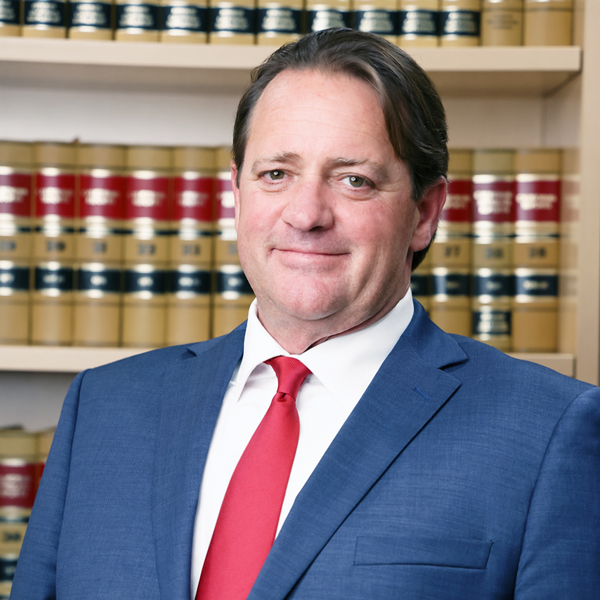
Dirige la firma desde 2009. Un motociclista que ha pasado por cirugías y rehabilitación él mismo, y sabe lo que una lesión le quita a usted.
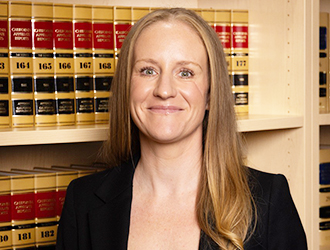
Con la firma desde 2019. Una litigante galardonada que prepara cada caso como si fuera a presentarse ante un jurado.
Un camión comercial no es solo un automóvil más grande. Es un vehículo regulado a nivel federal, operado por un conductor con licencia federal, propiedad de un transportista motorizado registrado a nivel federal y casi siempre asegurado por muchas veces el monto en dólares de una póliza de auto ordinaria. Eso cambia todo sobre su caso:
Por eso los casos de accidentes de camión, manejados correctamente, se resuelven por montos sustancialmente mayores que los casos ordinarios de accidentes automovilísticos. Y por eso no pueden manejarse como casos ordinarios de accidentes automovilísticos.
Concord se encuentra en uno de los cruces de carga más transitados del oeste de Estados Unidos. Cinco corredores comerciales principales convergen en la ciudad o cerca de ella:
Las clasificaciones de la California Office of Traffic Safety, los informes de corredores y la realidad del volumen de carga apuntan todos a la misma conclusión: Contra Costa County se encuentra en el nivel superior de los condados de California en exposición a choques graves de camión porque I-680, Highway 4, Highway 242 y las arterias industriales de Concord canalizan todo el tráfico comercial por la misma región.
Las carreteras no fueron construidas para el volumen de carga que ahora transportan. Agregue niebla y clima invernal en Highway 242, congestión repentina de alto y avance en I-680 y Highway 4, y condiciones estrechas de incorporación en las arterias de Concord, y el resultado es uno de los entornos más difíciles de East Bay para vehículos de pasajeros que comparten la carretera con camiones de carga.
Los choques de camiones en Concord también siguen un ritmo específico. El movimiento de carga matutino choca con el tráfico de entrada en I-680 y Highway 4, las rutas de entrega del mediodía saturan Port Chicago Highway y el corredor industrial, y el retroceso de filas por la tarde en los conectores de la autopista deja a camiones cargados frenando tarde ante tráfico detenido. Ese momento importa porque determina qué testigos están disponibles, qué ángulos de vigilancia captaron el impacto y qué registros, bitácoras del conductor, instrucciones de despacho, boletos de estaciones de pesaje, debemos preservar antes de que caduquen.
La mayoría de los choques de camión en Concord caen en un pequeño número de patrones recurrentes. Los vemos cada semana:
Impactos traseros en tráfico de alto y avance en I-680 y Highway 4. Un camión de 18 ruedas cargado puede necesitar la longitud de un campo de fútbol para detenerse por completo. Cuando el tráfico de traslado se comprime sin advertencia, un conductor de camión fatigado o distraído que no anticipa la desaceleración pasa por encima de la parte trasera de un auto de pasajeros. Este es uno de los patrones de choque más mortales de la ciudad.
Choques tipo tijera en Highway 242 con niebla o lluvia. La temporada de niebla tule y la lluvia invernal en el corredor de Highway 242 producen eventos previsibles de efecto tijera, el remolque gira perpendicular a la cabina y barre varios carriles. Cuando esto ocurre a velocidades de autopista, arrasa con todo a su paso.
Incidentes por falla de frenos y velocidad en bajada. Los camiones completamente cargados que se mueven por cambios de pendiente regionales y conectores de alta velocidad pueden causar choques catastróficos cuando fallan los sistemas de frenado o los conductores manejan mal la velocidad.
Colisiones por empotramiento debajo del remolque. Un vehículo de pasajeros se desliza debajo del costado o la parte trasera de un remolque. Las lesiones casi siempre son catastróficas o fatales. Protectores laterales inadecuados, protectores traseros contra impacto ausentes o dañados, y mala iluminación del remolque son posibles bases de responsabilidad.
Choques por cambio de carril y puntos ciegos. Los camiones grandes tienen puntos ciegos enormes, directamente frente a la cabina, junto al remolque durante la mayor parte de su longitud y detrás del remolque. Los cambios de carril indebidos por parte de conductores de camión, especialmente en Clayton Road, Port Chicago Highway y el intercambio de Highway 4 / Willow Pass Road, producen choques graves por roce lateral e incorporación.
Accidentes por giros amplios en intersecciones. Los tractocamiones con remolque que dan vuelta a la derecha desde calles de la ciudad a menudo primero se abren hacia la izquierda, y un auto de pasajeros que se coloca al lado en el carril derecho queda aplastado contra la acera cuando el remolque gira.
Choques por derrame de carga y desplazamiento de carga. Las cargas aseguradas indebidamente, troncos, chatarra, varilla, maquinaria, que se sueltan a velocidad de autopista causan algunas de las lesiones graves más prevenibles en las autopistas de Concord. Cuando el cargador de la mercancía es una empresa separada del conductor, ambos suelen ser responsables.
Choques por DUI y fatiga. Las normas federales de horas de servicio existen porque los camioneros cansados matan personas. También las normas de pruebas de drogas y alcohol. Las violaciones de cualquiera de ellas son evidencia poderosa, pero solo si usted preserva los registros antes de que sean destruidos.
La mayoría de los abogados manejan accidentes de auto. Muchos menos han pasado tiempo dentro del reglamento de FMCSA. Estas son las regulaciones federales que aparecen con más frecuencia en casos de camión en Concord:
Horas de servicio (49 CFR Part 395). Un conductor comercial que transporta propiedad generalmente no puede conducir más de 11 horas después de 10 horas consecutivas fuera de servicio, no puede conducir después de la hora 14 tras iniciar servicio, y está limitado a 60 horas en 7 días consecutivos (o 70 en 8). Las infracciones se registran en el ELD y en los registros del conductor. Las infracciones a las horas de servicio son una de las pruebas más sólidas que podemos presentar ante un jurado.
Expedientes de calificación del conductor (49 CFR Part 391). Todo transportista debe mantener un archivo de calificación de cada conductor, incluida la verificación de licencia, la certificación de prueba en carretera, el examen médico y el historial laboral previo. Los transportistas que contratan conductores con antecedentes descalificantes, tarjetas médicas vencidas o choques previos no divulgados son responsables por contratación y retención negligentes.
Pruebas de drogas y alcohol (49 CFR Part 382). Se requieren pruebas previas al empleo, pruebas aleatorias, pruebas posteriores al accidente y pruebas por sospecha razonable. No realizar pruebas después de un choque grave, o un resultado positivo sobre el cual el transportista no actuó, se convierte en evidencia poderosa de culpa a nivel del transportista.
Inspección, reparación y mantenimiento del vehículo (49 CFR Part 396). Los transportistas deben realizar inspecciones sistemáticas, documentar todas las reparaciones y retirar de la carretera los vehículos fuera de servicio. Las fallas del sistema de frenos, fallas de llantas y fallas de iluminación a menudo se remontan a violaciones de mantenimiento.
Sujeción de carga (49 CFR Part 393, Subpart I). Reglas específicas rigen cómo debe asegurarse cada categoría de carga. Las cargas aseguradas incorrectamente que se desplazan, caen o se desprenden del remolque casi siempre indican una violación.
Mandato ELD (49 CFR Part 395, Subpart B). Casi todo conductor comercial en comercio interestatal debe usar un dispositivo electrónico de registro que registra automáticamente el tiempo de manejo, las horas del motor, el movimiento del vehículo y la ubicación. Los datos ELD son la pieza de evidencia digital más importante en casos modernos de camiones.
Cuando abrimos un caso de camión en Concord, no solo obtenemos el informe policial. Solicitamos por FOIA el historial de inspecciones USDOT del transportista, pedimos el expediente de calificación del conductor, exigimos la descarga del ELD y enviamos una carta de preservación de pruebas el mismo día. Ese trabajo, hecho temprano, es lo que separa un caso que se resuelve por el mínimo de la póliza de uno que recupera su valor completo.
La mayor diferencia entre un caso de camión y un caso de auto es el reloj de la evidencia. A una empresa de transporte se le permite destruir la mayoría de las categorías de registros conforme a un programa rutinario de retención, normalmente 6 meses para bitácoras del conductor y documentos de respaldo, a veces menos para descargas de dashcam y ELD, a menos que alguien les notifique legalmente que no lo hagan.
Dentro de las primeras horas y días después de un choque de camión en Concord, trabajamos para preservar:
Una carta formal de preservación de evidencia, enviada el mismo día en que nos contrata, pone al transportista y a su aseguradora en aviso legal de que la destrucción de cualquiera de estas pruebas será tratada como expoliación, con las sanciones probatorias resultantes en el juicio. Esa carta por sí sola ha cambiado la trayectoria de innumerables casos.
Si usted espera semanas para llamar a un abogado después de un choque de camión en Concord, gran parte de esta evidencia puede ya haber desaparecido. Lo más importante que puede hacer por su caso es involucrar de inmediato a un abogado con experiencia en camiones.
En un accidente típico entre automóviles, hay un demandado: el otro conductor. En un caso típico de camión, hay cinco o más.
Identificar a todas las partes responsables es una de las tareas más importantes en un caso de camión, y una de las cosas más comunes que pasan por alto los despachos más pequeños y con menos experiencia. Cuando abrimos un archivo de camión en Concord, rastreamos toda la cadena de custodia de la carga: quién contrató al transportista, quién cargó el remolque, quién dio mantenimiento al equipo, quién despachó al conductor, quién fijó la ventana de entrega. Cada eslabón de esa cadena es una posible fuente de recuperación.
La regulación federal 49 CFR § 387.9 establece requisitos mínimos de responsabilidad financiera para transportistas en comercio interestatal:
Muchos transportistas tienen cobertura muy por encima del mínimo, las pólizas primarias de $1 millón son comunes para carga general, con capas de exceso y paraguas que suman otros $5 a $25 millones adicionales. Compare eso con la póliza de auto mínima de California de $30,000 por persona / $60,000 por accidente, y podrá ver por qué un caso de camión preparado correctamente puede recuperar mucho más que un reclamo típico de auto, incluso cuando las lesiones subyacentes son similares.
También explica por qué los transportistas de carga pelean con más fuerza. Con más dinero expuesto, tienen más motivos para negar, retrasar y minimizar. Ahí es donde importan más de 50 años de experiencia en casos de camiones para demandantes.
Los choques de camiones no producen lesiones ordinarias. La energía involucrada es demasiado grande. Los patrones comunes de lesiones que manejamos para víctimas de choques de camiones en Concord incluyen:
Estos casos requieren evaluaciones médicas y económicas detalladas: planes de cuidado de por vida, análisis de rehabilitación vocacional, proyecciones médicas futuras e informes de pérdida económica. Coordinamos el equipo completo de expertos que exige un caso de lesión catastrófica.
El orden de pasos después de un choque de camión es similar al de un choque de auto, pero con más urgencia en cuanto a la evidencia:
2540 East Street, Concord, CA 94520
Atención de emergencia 24/7
Sala de emergencias de servicio completo más cercana para la mayoría de las víctimas de choques en Concord
1601 Ygnacio Valley Road, Walnut Creek, CA 94598
Centro de trauma de Nivel II
Las lesiones graves de autopista y motocicleta a menudo se envían aquí para atención de trauma, ortopedia y neurocirugía
1425 South Main Street, Walnut Creek, CA 94596
Departamento de emergencias 24/7
Buena opción para miembros de Kaiser y atención de seguimiento
Hemos trabajado con todas estas instalaciones y podemos ayudarle a obtener registros, programar consultas y coordinar tratamiento con base en gravamen si no tiene seguro médico.
1350 Galindo Street, Concord, CA 94520
(925) 671-3220 · orientación para casos no urgentes / registros
Choques en calles de la ciudad y caminos locales
5001 Blum Road, Martinez, CA 94553
(925) 646-3900
Maneja choques en I-680, Highway 4, Highway 242 y otras carreteras estatales en Concord y sus alrededores
Obtenemos estos informes, incluido el historial federal completo de inspecciones y choques del transportista, para nuestros clientes como parte de la admisión. Más importante aún, sabemos qué necesita un caso de camión en Concord más allá del informe: vigilancia de negocios cercanos y de Caltrans, tiempos de cámaras de intersección, registros de estaciones de pesaje y peajes, y una carta inmediata de preservación de pruebas al transportista para que la descarga del ELD, las grabaciones de la cámara del tablero y los datos de despacho no caduquen antes de que siquiera estemos en la corte.
Las demandas por lesiones personales en Concord, incluidos los casos de transporte comercial, se presentan en la Wakefield Taylor Courthouse en 725 Court Street, Martinez, CA 94553.
Algunas cosas importantes para su caso:
Usted puede tener derecho a recuperar:
Un acuerdo real no es solo la factura médica de la semana pasada más su deducible de seguro. En un caso de camión, es un cálculo integral de lo que el choque le costará durante toda su vida, pasado, presente y futuro. Nos aseguramos de que no quede nada sin reclamar.
Usted no nos paga nada a menos que recuperemos para usted. Nosotros adelantamos los costos de investigación, peritos y litigio, que en un caso de camión pueden ser considerables. Si no ganamos, usted no debe nada.
Las cifras de choques de camión cambian año con año, pero el patrón en Concord no: este es uno de los corredores de carga más concentrados del norte de California, y la gravedad de los casos resultantes es consistentemente mayor que la de reclamos de auto estándar.
Paso 1, consulta gratuita. Usted nos llama. Nosotros escuchamos. No hay honorarios ni compromiso. Le decimos honestamente si tiene un caso que vale la pena seguir.
Paso 2, carta de expoliación y preservación de evidencia. El mismo día, cuando sea posible. Ponemos al transportista y a su aseguradora en aviso legal formal para preservar datos ELD, grabaciones de cámara de tablero, registros de despacho, bitácoras del conductor y registros de mantenimiento.
Paso 3, investigación. Obtenemos el informe policial, solicitamos por FOIA el historial de inspecciones y choques USDOT del transportista, pedimos el expediente de calificación del conductor, aseguramos grabaciones de vigilancia y, cuando el caso lo justifica, contratamos a un reconstruccionista de accidentes para inspeccionar los vehículos y la escena.
Paso 4, coordinación del tratamiento. Nos aseguramos de que usted reciba la atención médica que necesita. Para lesiones catastróficas, coordinamos la planificación de atención de por vida y proyecciones médicas futuras. Coordinamos tratamiento con base en gravamen si no tiene seguro médico.
Paso 5, análisis de múltiples demandados. Identificamos a todas las partes en la cadena, conductor, transportista, corredor, cargador, contratista de mantenimiento, fabricante, y buscamos todas las pólizas de seguro aplicables.
Paso 6, demanda y negociación. Una vez que usted haya alcanzado la mejoría médica máxima (o que la atención futura pueda proyectarse de manera confiable), enviamos una demanda integral y negociamos con firmeza.
Paso 7, litigio si es necesario. Los transportistas llegan a acuerdos cuando creen que el caso irá a juicio. Les hacemos creerlo. La mayoría de los casos aún se resuelven antes del juicio, pero la disposición a llegar hasta el final es lo que produce ofertas serias de acuerdo.
Paso 8, recuperación. Acuerdo o veredicto. Resolvemos los gravámenes médicos pendientes, deducimos honorarios y costos del caso, y ponemos su cheque en sus manos.
A menudo hay más de una parte. El conductor puede tener la culpa por fatiga, distracción o error al manejar. Pero la empresa de transporte puede ser responsable por violaciones de las horas de servicio, contratación negligente o mantenimiento deficiente. El cargador de la mercancía puede ser responsable por una carga asegurada de forma inadecuada. El corredor puede ser responsable por contratar a un transportista con un historial de seguridad deficiente conocido. Un caso completo de camión identifica a todas las partes responsables, y todas las pólizas de seguro aplicables.
La Federal Motor Carrier Safety Administration es la agencia federal que regula el transporte comercial interestatal por camión. Sus reglas rigen las horas de servicio, la calificación del conductor, las pruebas de drogas y alcohol, el mantenimiento del vehículo y la sujeción de la carga. Las infracciones de las reglas de la FMCSA son pruebas contundentes en un caso civil, y el Safety Measurement System público de la FMCSA nos permite consultar el historial de inspecciones y choques de cada transportista interestatal.
Las normas federales exigen que algunas categorías de registros se conserven durante 6 meses; algunas menos. Sin una demanda formal de preservación, gran parte de la evidencia más importante, datos de ELD, grabaciones de cámara de tablero, registros de despacho, puede destruirse legalmente en cuestión de meses. Por eso, una carta de expoliación enviada inmediatamente después de un choque es una de las cosas más importantes que un abogado de choques de camión puede hacer por usted.
Un aviso legal formal al transportista y a su aseguradora que exige la preservación de toda la evidencia relevante, datos de ELD, grabaciones de cámara de tablero, descargas de ECM, bitácoras del conductor, registros de despacho, registros de mantenimiento y expedientes de calificación. Una vez que se ha entregado una carta de expoliación, la destrucción de esa evidencia se convierte en expoliación legalmente reclamable, lo que expone al transportista a sanciones probatorias en el juicio. Las enviamos el día en que nos contrata.
Sí, y son algunas de las pruebas más poderosas en casos de transporte por camión. Los datos de ELD y los documentos de respaldo (recibos de combustible, registros de estaciones de pesaje) a menudo revelan que un conductor había estado en la carretera más tiempo del permitido por las normas federales, o había falsificado las bitácoras. Los jurados reaccionan con fuerza ante un conductor y un transportista que infringieron las normas federales de descanso y luego mataron o lesionaron a alguien.
Los mínimos federales para el transporte interestatal por camión varían de $750,000 a $5 millones, según la carga. Muchos transportistas tienen cobertura muy por encima del mínimo, con capas primarias y de exceso que se acumulan en millones o decenas de millones. En comparación, la responsabilidad mínima de auto en California es de $30,000 por persona / $60,000 por accidente. La cobertura disponible en un caso de camión suele ser mucho mayor.
Tres razones. (1) Las lesiones suelen ser más graves, TBI, lesiones de la médula espinal, amputaciones y muerte por negligencia son comunes. (2) El seguro disponible es mucho mayor. (3) El marco regulatorio federal da a los demandantes más herramientas, violaciones de horas de servicio, bitácoras falsificadas, fallas en expedientes de calificación y omisiones de mantenimiento crean cada una vías independientes hacia la responsabilidad y, en los peores casos, hacia daños punitivos.
Busque el número USDOT en la puerta de la cabina. Ese número es la clave para la base de datos de la FMCSA, donde está registrado cada transportista interestatal. Si no lo tiene, las fotografías del remolque, el tractor, las placas y la carga por lo general permiten que nuestros investigadores localicen al transportista. No deje que la incapacidad de identificar al transportista por su cuenta le impida llamar, identificamos transportistas para clientes todo el tiempo.
Dígales cortésmente que usted está representado por un abogado y que dirijan toda comunicación a su abogado. Luego llámenos. La aseguradora del transportista no es su amiga. Sus ajustadores están capacitados para obtener declaraciones que minimicen su reclamo, y sus abogados a veces están en la escena antes de que usted siquiera salga de la sala de trauma.
Dos años desde el choque para la mayoría de los reclamos bajo el plazo de prescripción general de lesiones personales de California. Seis meses para reclamos que involucren a una entidad gubernamental. No confunda el plazo de prescripción con el reloj de las pruebas, gran parte de la evidencia más importante (ELD, cámara del tablero, registros de despacho) puede destruirse mucho antes de que se cumplan dos años. Llame lo antes posible.
Casi con toda seguridad usted tiene un reclamo, los pasajeros rara vez tienen la culpa. Puede presentar un reclamo contra el conductor del camión, la empresa de transporte, el conductor del automóvil en el que usted iba (si corresponde), o alguna combinación, según la responsabilidad.
El transportista aún puede ser responsable. La regulación federal crea conceptos amplios de responsabilidad del transportista, incluidas las doctrinas de “responsabilidad por logotipo” y “empleado estatutario”, que a menudo responsabilizan a un transportista motorizado por la conducta de un conductor que opera bajo su autoridad, independientemente de su estatus laboral formal.
La sujeción de la carga está fuertemente regulada por la ley federal. Cuando una carga se desplaza, cae o se desprende de un remolque, tanto el conductor como el cargador (a veces una empresa separada) típicamente comparten la responsabilidad. Cuando la carga fue cargada por el remitente en lugar del transportista, el propio remitente puede ser demandado.
Un reclamo por muerte por negligencia conforme al California Code of Civil Procedure § 377.60 permite que los familiares sobrevivientes, por lo general cónyuge, hijos y, en algunos casos, padres y otros dependientes, recuperen por la pérdida de amor, compañía, apoyo y beneficios económicos que la persona fallecida habría proporcionado. Los casos de muerte por negligencia en choques de camiones implican algunos de los veredictos y acuerdos más grandes en la práctica civil de California. Llámenos. Estamos aquí para ayudar.
Nada por adelantado. Trabajamos con honorarios de contingencia, nuestros honorarios salen del acuerdo o veredicto, solo si ganamos. También adelantamos todos los costos del caso, incluidos peritos, reconstrucción de accidentes y planificadores de atención de por vida. Usted no paga nada si no recuperamos para usted.
Más de 50 años, más de $1 mil millones recuperados, sin honorarios a menos que ganemos, personal bilingüe, consulta gratuita, preparación de casos con conocimiento de la FMCSA y un historial de enfrentar a aseguradoras de transporte comercial. No somos un sitio nacional de generación de clientes potenciales, somos una firma real de lesiones personales de California con abogados que llevan casos a juicio.
Ahora mismo. Llame al 1-800-707-0707, 24/7. También puede programar una revisión gratuita de caso en línea o usar nuestro cuestionario de caso.
Más ayuda por lesiones en Concord:
Las aseguradoras de transporte comercial no le van a decir cuánto vale realmente su caso. Le van a decir lo que esperan que usted acepte antes de que entienda por completo sus lesiones, antes de que haya identificado a todas las partes responsables y antes de que se preserven los datos del ELD. Esas cifras son muy diferentes de lo que vale su caso. Consulta gratuita. Sin honorarios a menos que ganemos.
O tome nuestro cuestionario gratuito de caso →Publicidad de abogados. Scranton Law Firm, 2450 Stanwell Dr, Concord, CA 94520. Abogado responsable: Christian Scranton, Barra de Abogados del Estado de California #196959. Los resultados anteriores no garantizan un resultado similar.
